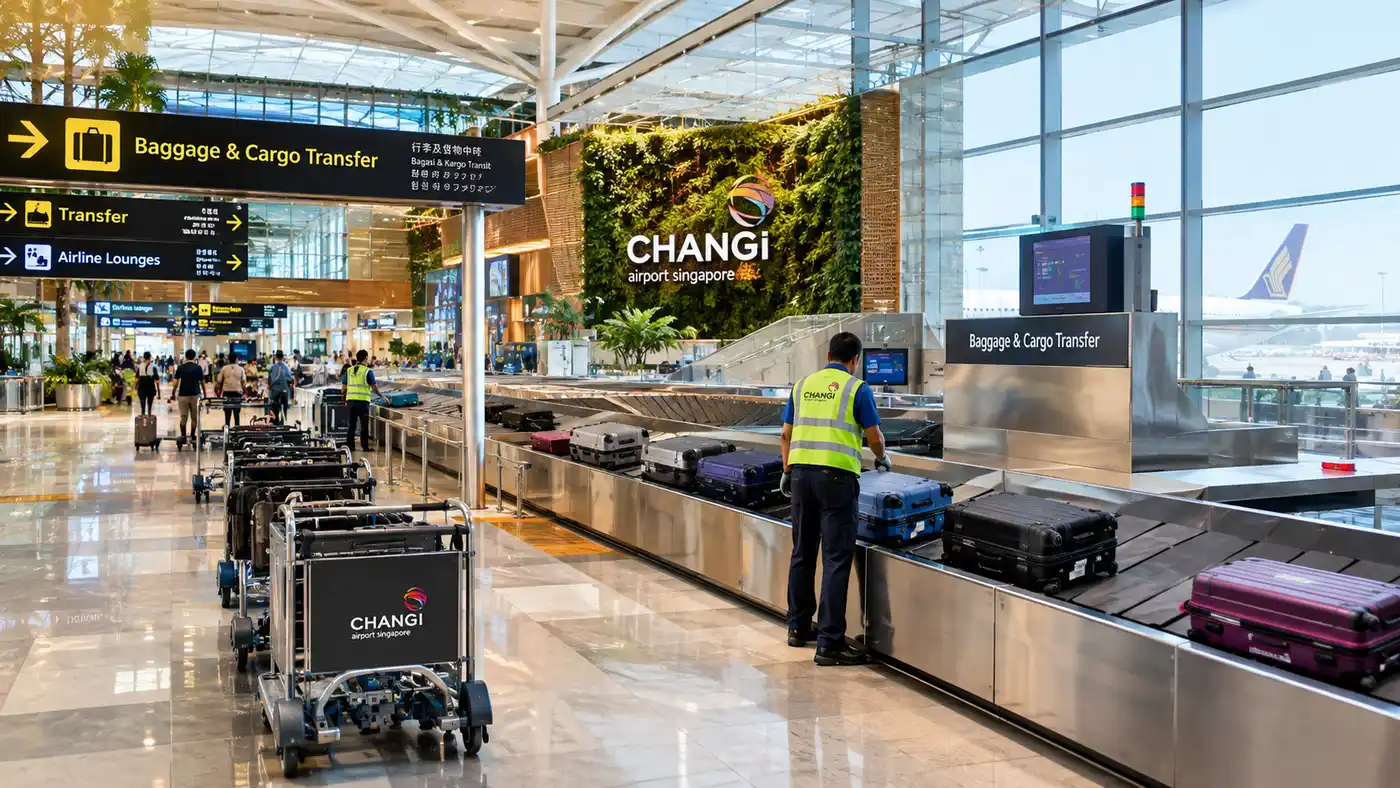
Changi Airport Baggage & Cargo Transfer
Singapore Changi Airport is often hailed as one of the best airports globally, and honestly, a big part of that reputation comes from how smoothly everything runs, especially when it comes to your luggage. When you’re navigating multiple flights, understanding the nuances of changi airport baggage transfer makes a huge difference. This isn't just about getting your suitcase from point A to point B; it’s about peace of mind, knowing your belongings are in good hands as you connect through this massive hub. This article dives into the practicalities of moving your bags around Changi. We’ll cover everything from how your checked luggage makes its way between connecting flights and terminals, to avoiding those frustrating mishandling issues. We'll also touch on the distinct world of cargo transfer at Changi Airport, which is a completely different beast from your standard checked bag. You might even pick up a few tips I’ve learned from years of traveling through here.Book your changi airport transfer experience:
Understanding Your Baggage Journey at Changi
When you land at Changi, the first thing on your mind is probably your next step, whether that's another flight or heading into the city. For most travelers with connecting flights, the hope is that your bags are checked all the way through to your final destination. Airlines often coordinate this, especially if you’re flying with partner carriers or on a single ticket. This means you won’t see your bags again until your journey ends, which is usually a relief. However, sometimes you do need to collect your luggage. This happens if you have separate tickets for different airlines, or if your layover is quite long and you plan to enter Singapore. Always double-check your baggage tag when you check in; it should clearly state the three-letter code of your final destination airport. If it only shows SIN (Changi’s code), you’ll need to pick it up, clear immigration, and then re-check it for your next flight. This process can add a good 45 to 90 minutes to your transit time, so plan accordingly.Pro tip: Snap a quick photo of your baggage tag after it's attached. This simple step gives you instant access to your bag's tracking number and destination airport code, which is super helpful if there's any confusion later on.
Inter-Terminal Transfers and Your Luggage
Changi has four main terminals, and sometimes your connecting flight departs from a different one than where you arrived. If your bags are checked through, you don't really have to worry about them; the airport's automated system handles the inter-terminal transfer. Your luggage will be whisked away on its own journey, often quicker than you can walk or take the Skytrain between terminals yourself. If you do need to collect and re-check your bags, you'll first clear immigration at your arrival terminal. Then you proceed to the baggage claim carousel. Once you have your bags, you’ll head to the departure hall of your next flight’s terminal. All terminals are connected airside by Skytrains, which are free and run frequently, making it easy to move yourself. You can find more detailed information about moving around on the Changi Airport Inter-Terminal Transfer Guide. Here are a few common scenarios for baggage transfer:- Direct Transfer: Your airline checks your bag through to your final destination, even if you have a layover in Changi. You don't see your bag until you reach the end of your journey. This is the ideal situation.
- Self-Transfer with Re-check: You need to collect your bags at Changi, clear immigration, and then proceed to the check-in counter for your next flight. This usually happens if you booked separate tickets or have a long layover.
- Transit with Entry: You collect your bags, clear immigration, perhaps spend a day or two in Singapore, and then return to Changi to check in for your onward flight. This is basically treating Changi as your destination before starting a new journey.
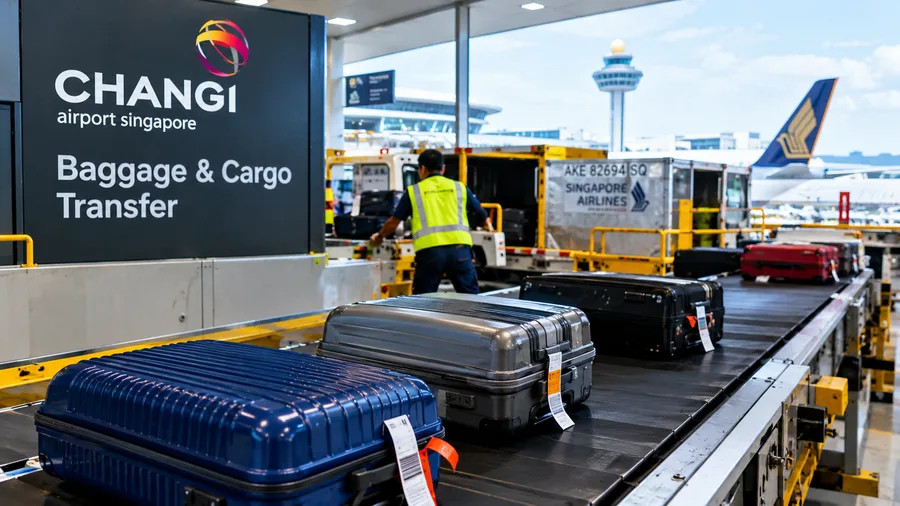
Avoiding Mishaps: Characteristics of Transfer Bags Leading to Mishandling at Changi Airport
Even with Changi’s top-notch system, things can occasionally go wrong. Often, the characteristics of transfer bags leading to mishandling at Changi Airport aren’t the system’s fault, but rather small details about our luggage that we might overlook. I've seen it happen to others, and honestly, a little prevention goes a long way. One of the biggest culprits is old baggage tags. If your suitcase still has half a dozen tags from previous trips flapping around, it confuses the scanning machines. A machine might pick up an old tag instead of the current one, sending your bag off to who-knows-where. Take five minutes before you leave home to strip off all those old stickers. It really helps. Another issue involves loose straps or external items. Backpacks with dangling buckles, bags with loosely tied sweaters, or even those decorative ribbons you see some people use - these can all get caught in the conveyor belts. When a bag snags, it can cause delays, damage the bag, or even pull the tag off, making it an unidentifiable orphan in the system. Keep everything tucked in and secure.Note: Fragile items like musical instruments or strangely shaped sports equipment might be better handled as special baggage or even cargo, depending on their size and value. Always check with your airline about their specific policies and handling procedures for such items; don't just assume they'll glide through the regular system.
Book your changi airport transfer experience:
Cargo Transfer Changi Airport and Cargo Terminal Distance Explained
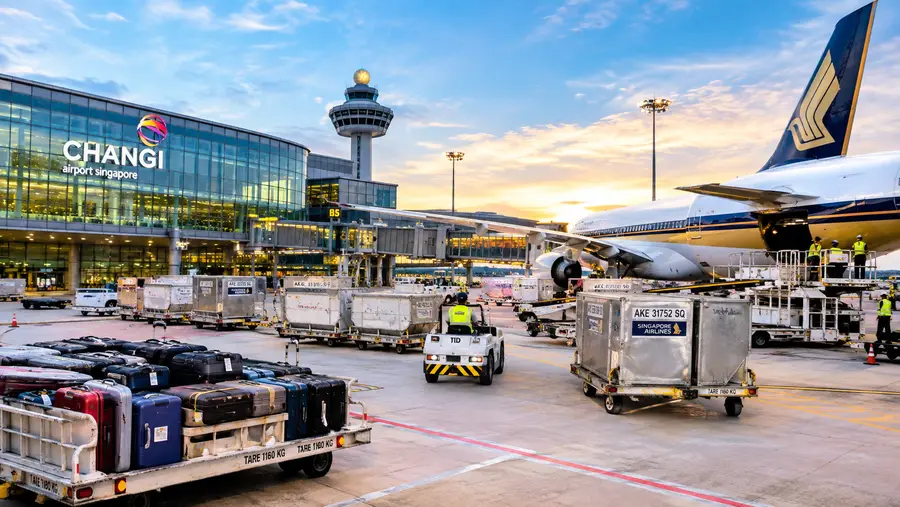
It’s easy to confuse passenger baggage with actual air cargo, but they operate in completely different worlds at Changi. When we talk about cargo transfer at Changi Airport, we’re not talking about your checked suitcase. We’re talking about commercial goods, large shipments, or even unaccompanied personal effects that are too big or numerous for regular passenger flights. Changi handles a massive volume of air freight, making it a crucial hub for global logistics. This operation primarily takes place at the Changi Airfreight Centre (CAC), which is located in the Changi North area, quite a distance from the passenger terminals. The cargo terminal distance from Terminal 1, for example, is approximately 6.5 kilometers. You can’t just walk your parcel over there. The CAC is a sprawling complex with its own customs facilities, warehouses, and dedicated aircraft parking bays. It's a 24/7 operation, processing everything from electronics and pharmaceuticals to live animals. If you need to send something as cargo, you'd typically work with a freight forwarder who handles all the documentation, customs clearance, and actual physical transfer to the CAC. It's a much more involved process than just checking an extra bag. Here's a quick comparison of what we've discussed:| Service Type | Location | Estimated Time/Distance |
|---|---|---|
| Passenger Baggage Transfer (inter-terminal) | Airside, within Changi Airport terminals | 15-40 minutes (automated system) |
| Changi Airfreight Centre (Cargo Terminal) | Changi North, separate from passenger terminals | ~6.5 km from Terminal 1 (drive time ~10-15 mins) |
| Unaccompanied Baggage (via freight forwarder) | Cargo Terminal (processed by third party) | 2-5 business days (processing and shipping) |
When Things Go Wrong: Lost or Damaged Baggage
Despite all the systems and precautions, sometimes a bag goes missing or gets damaged. It’s a traveler's nightmare, but honestly, Changi is well-equipped to help. The first step is always to report it immediately. Don't leave the baggage claim area without filing a report. Head straight to your airline's baggage service counter, usually located near the baggage carousels. Provide them with your baggage tag photo (see, that tip comes in handy!), your flight details, and a description of your bag. They’ll initiate a trace using the WorldTracer system, which is a global database for lost luggage. Most bags are found within 24-48 hours and delivered to your accommodation. For damaged luggage, the process is similar. Document the damage with photos before you leave the airport. The airline will assess whether it's minor wear and tear or actual damage that warrants repair or compensation. Remember, airlines have specific time limits for reporting damage, often within seven days, so act fast. It's frustrating, I know, but staying calm and organized really helps the process.Frequently Asked Questions about changi airport baggage transfer
Do I need to collect my bags if I have a layover at Changi?
Not always. If your bags are checked through to your final destination on a single ticket, you typically won't see them until you arrive. If you have separate tickets or a very long layover, you might need to collect and re-check them.
Can I send items as unaccompanied baggage from Changi?
Yes, but this falls under cargo services, not regular passenger baggage. You'll need to engage a freight forwarder to handle the paperwork and logistics at the Changi Airfreight Centre, which is separate from the passenger terminals.
What's the best way to prevent my bags from getting mishandled?
Remove all old baggage tags, secure any loose straps or external items, ensure your bag isn't overstuffed, and use a unique, sturdy luggage tag with your contact information. These small steps significantly reduce the risk of issues.
Quick Reference
- Changi offers seamless inter-terminal baggage transfers.
- Always confirm your bag's final destination tag.
- Cargo transfers happen at a separate Changi Airfreight Centre.
- Report lost or damaged bags immediately at the airline counter.
- Remove old tags and secure loose straps to prevent mishandling.
Book your changi airport transfer experience:
My Take on Changi Baggage Handling
Traveling through Changi Airport, whether it's for a quick connection or a longer stay, usually means a smooth experience with your belongings. The systems in place are incredibly efficient, built to handle immense volumes of luggage with precision. While no system is absolutely perfect, understanding how it all works and taking a few simple precautions on your end can truly make a difference. It saves you stress, time, and ensures your journey starts and ends on the right foot. So next time you fly through, take a moment to appreciate the invisible ballet happening with your bags.Read more about changi airport transfer.